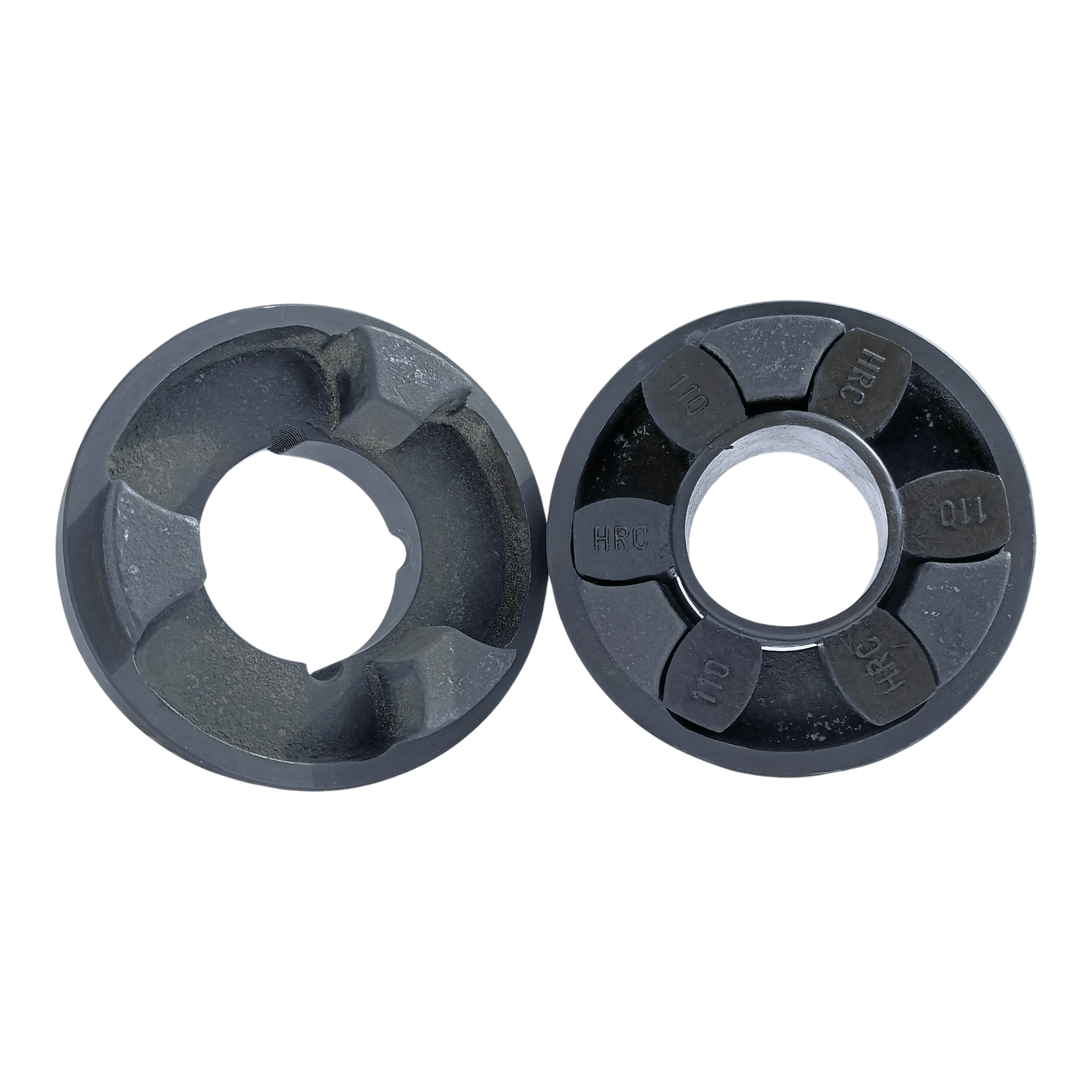
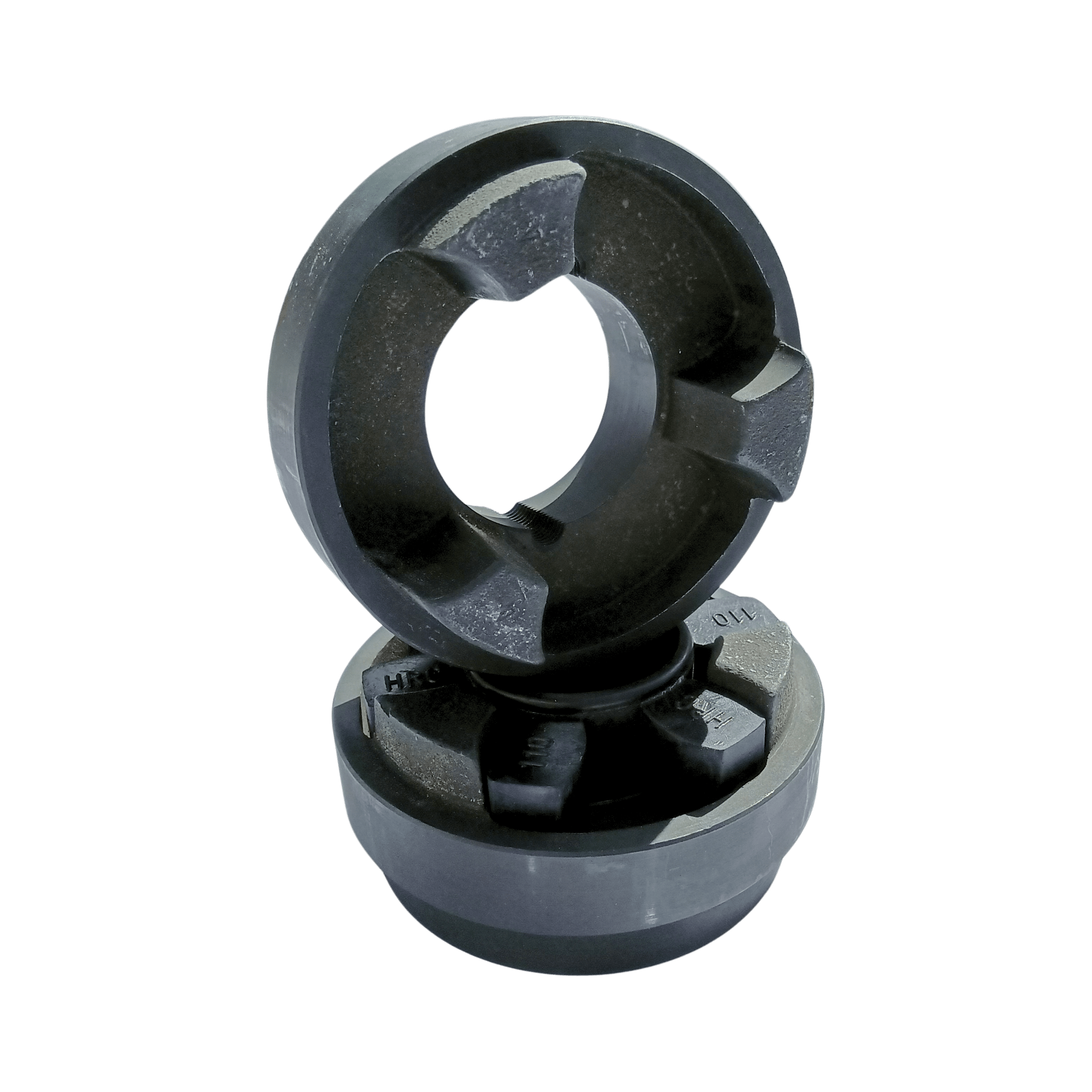
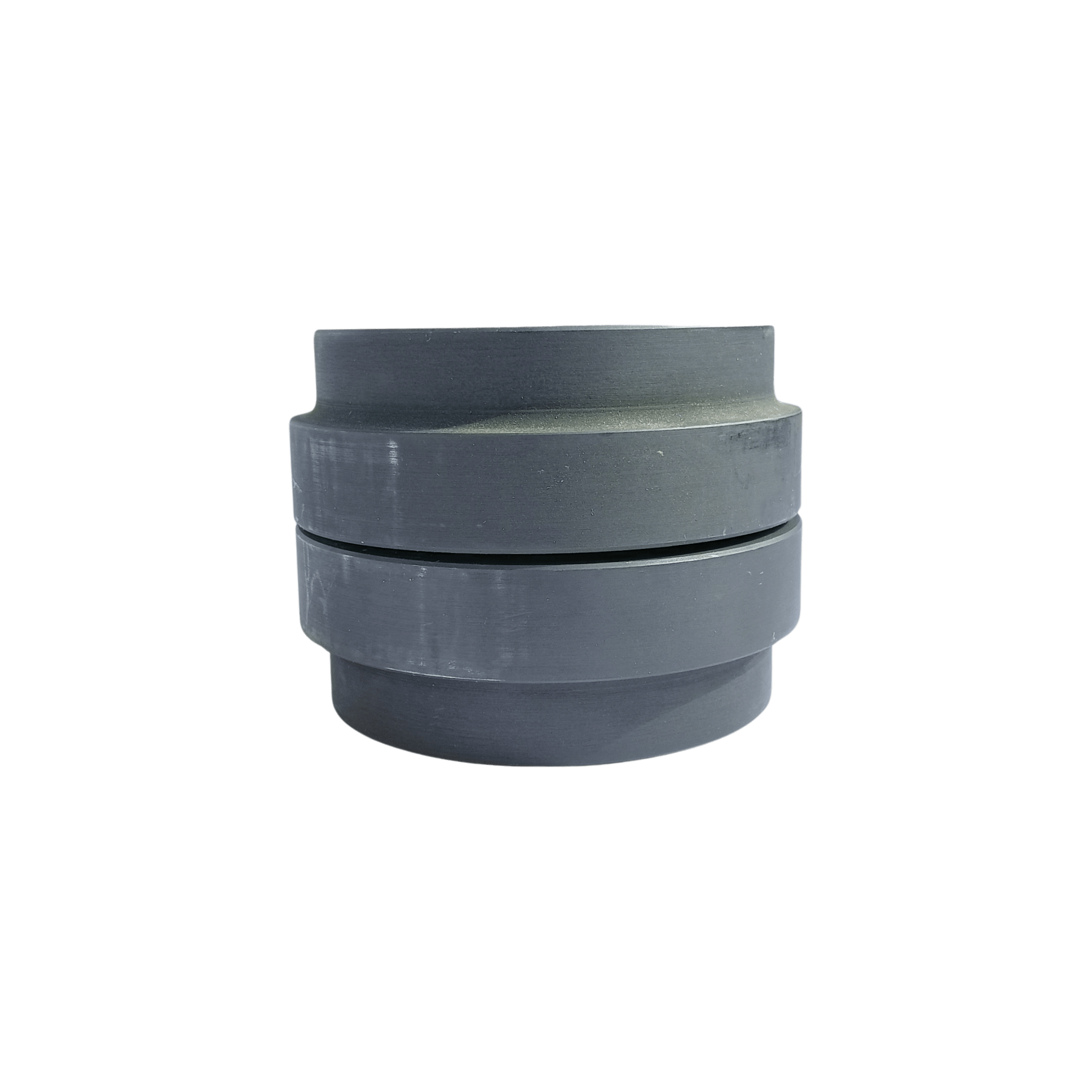
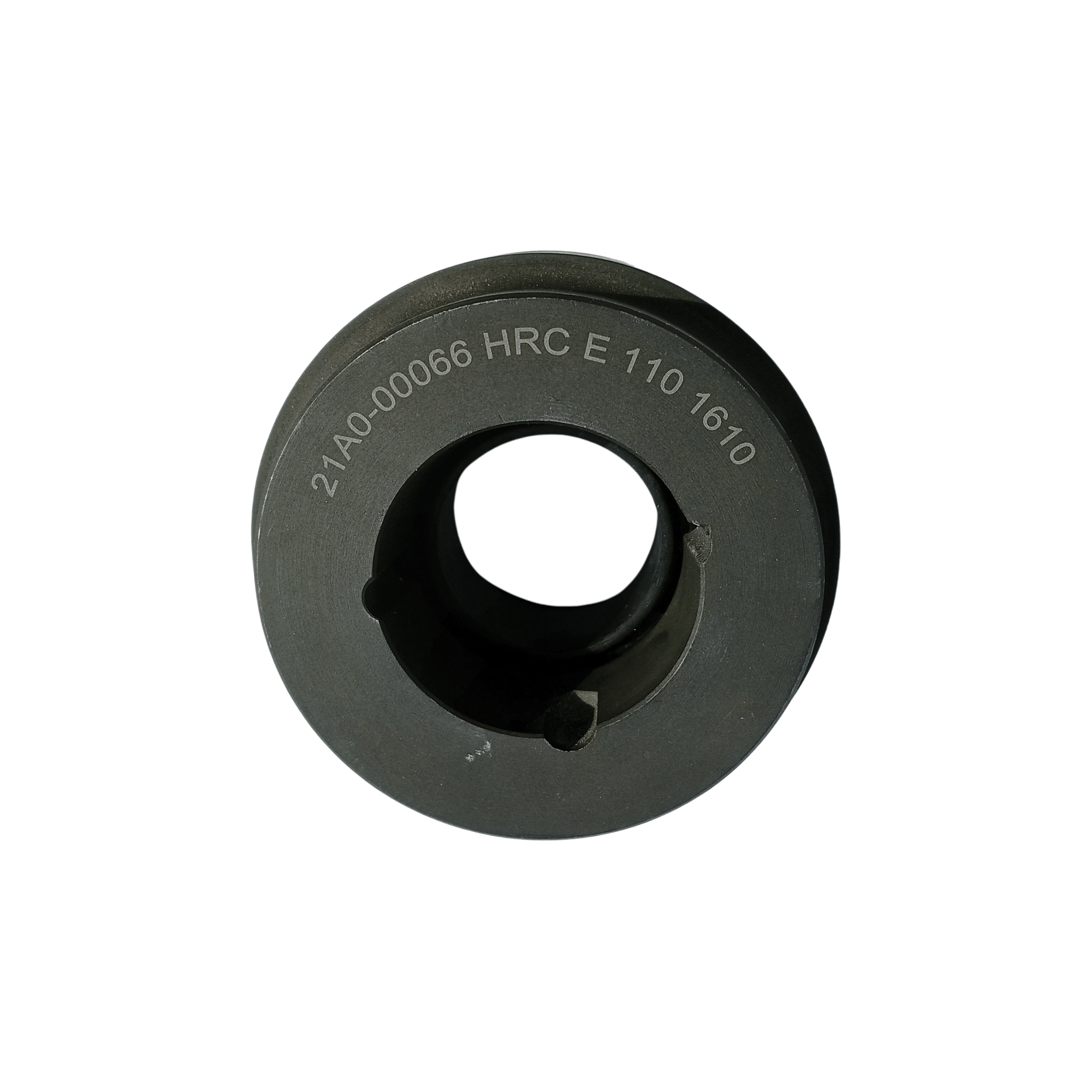
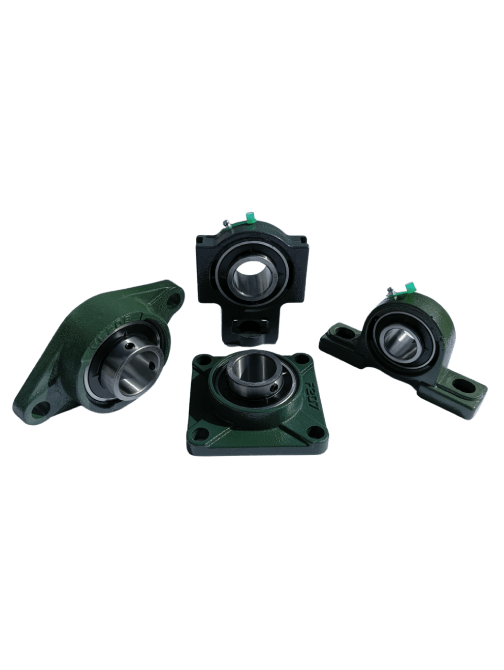
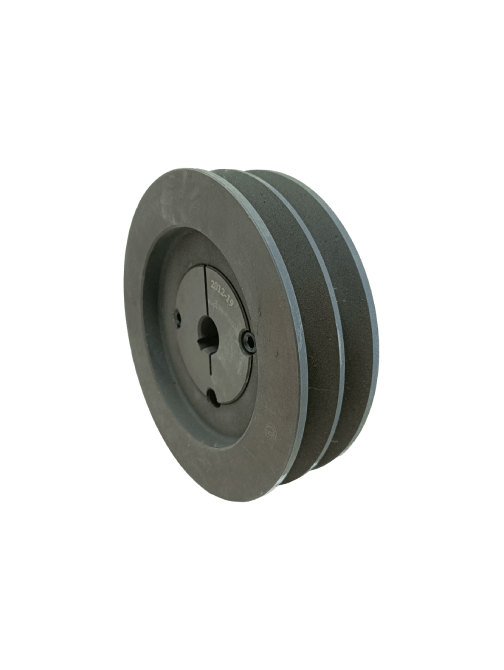
Couplings are mechanical devices used to connect two transmission shafts to transfer power from one mechanical system to another. Here is a general description of how they work and their types:
Functioning: Couplings are designed to transfer the rotary motion from one shaft to another while compensating for misalignments, vibrations, and shocks between the two shafts. They also help protect the system components by absorbing overloads and reducing damage from shocks and vibrations.
Types of Couplings:
- Rigid Couplings: These offer a direct connection between two shafts, suitable for applications requiring precise alignment but cannot compensate for misalignments.
- Flexible Couplings: Utilizing flexible elements like bellows or elastomers, these compensate for misalignments and vibrations, reducing mechanical stresses.
- Gear Couplings: These use gears to transmit power efficiently, ideal for high torque transmission while maintaining motion accuracy.
- Magnetic Couplings: Transferring power via magnetic fields without direct mechanical contact, they’re useful for applications requiring electrical isolation or reduced mechanical wear.
- Clamp Couplings: Secure shafts using clamp collars, providing easy installation and removal along with a secure connection.
Applications: Couplings find applications across various industries, including machine tools, pumps, compressors, fans, power transmission systems, production machinery, etc.